
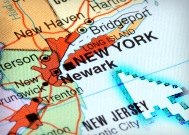
 Hurricane Sandy offers lessons for hospitals about the importance of health IT systems — as well as data storage and backup plans — in disaster planning efforts, MedCity News reports (Baum, MedCity News, 10/30).
Some Affected Hospitals Revert to Using Paper Records
As a result of the storm, some hospitals and health systems were unable to access their electronic health record systems because of power outages that affected data centers or other buildings where patient data were stored.
The affected hospitals include:
How Data Exchanges Could Have Helped
The hurricane highlights the benefits of using a health information exchange, according to MedCity News.
The Statewide Health Information Network of New York — or SHIN-NY — connects 78% of hospitals across the state. If all of the state’s hospitals were connected to the exchange, any New York hospital patients who were evacuated to other facilities because of power outages or flooding still would have had their electronic medical data available through the network.
David Whitlinger — executive director of the New York eHealth Collaborative — said that even if the SHIN-NY data center in New York was inaccessible, another SHIN-NY data center in Texas could have taken over “within milliseconds” (MedCity News, 10/30).
Whitlinger also noted that even without a connection to SHIN-NY, having an EHR system in place was beneficial for the affected hospitals. He said, “At a minimum, a majority of all health care institutions have electronic health records, and the backups of those records are not even in the city, they’re elsewhere across the country. So even if the health care provider is not connected to the [SHIN-NY] network, at a minimum, the patient’s data [are] not lost” (Miliard, Healthcare IT News, 10/31).
Google Releases Resources for Emergencies
In related news, Google on Monday introduced several new online resources designed to help the public access information and resources about emergencies (Miller, “Bits,” New York Times, 10/30).
People who use Google’s search engine to look up information about hurricanes, natural disasters and other emergencies — or who search for locations affected by such events — now can view public alerts on the topic (Hepler, Silicon Valley/San Jose Business Journal, 10/30).
In addition to the alerts, Google also released an interactive crisis map on Hurricane Sandy, as well as a New York City-specific interactive map. The maps allow users to:
Source: iHealthBeat

